When comparing the best online casinos new zealand players need more than a long game list. A clear website should make it easy to locate important information, understand which services are available and identify any conditions before spending money. The http://girlsincnz.org homepage can be treated as an informational starting point for checking the wider picture around LolaJack, while the operator’s own pages remain the place to confirm current account, payment and promotional details.
Start with the website’s structure, not its advertisements
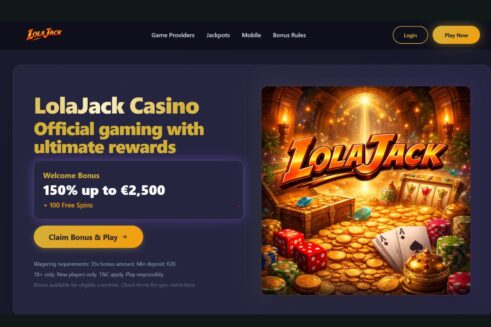
A usable casino homepage should help visitors answer basic questions quickly. Look for visible routes to the games lobby, promotions, support, terms and account information. These links should be understandable without requiring a visitor to guess whether a button leads to registration, a promotional page or a separate service. A crowded landing page may look lively, but visual energy is not the same as useful navigation.
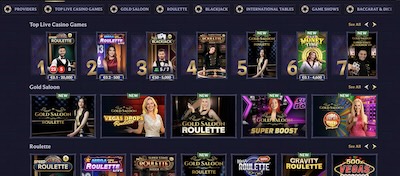
Pay attention to whether the website separates casino games, live tables, jackpots and sports betting rather than combining everything into one stream. A category menu is more useful when it reflects how people actually browse. Someone looking for roulette should not have to scroll through promotional banners or slot thumbnails before finding the table-games section. Clear labels also reduce the risk of mistaking an advertisement for a product description.
Navigation should remain consistent as you move between pages. The main menu, account area, help route and terms should not disappear unexpectedly on mobile or during a game search. If a link opens a new domain, check the address carefully before entering personal information. Similarly named websites may be unrelated, and a New Zealand-themed page is not automatically proof that it represents the same operator or has the same conditions.
Can you find the information that affects a decision?
Good usability is not just about attractive design. It is also about how easily a visitor can locate limitations and conditions. Before considering an offer, find the full promotional rules, including qualifying requirements, expiry periods, wagering conditions, maximum bets and any withdrawal restrictions. If these details are hidden behind several menus or presented only in small text, treat that as a reason to slow down.
The same principle applies to account access and verification. A clear website should identify where registration, login, support and account-recovery routes are located. The available material does not establish a particular password-reset process or recovery timeframe, so visitors should use the published support route rather than create another account. Creating duplicate accounts can create additional verification problems where one-account rules apply.
Payment information also deserves careful inspection. The cashier, rather than a general review or a list on another page, is the relevant place to confirm which methods are actually offered to an individual account. Minimums, fees, processing times and available currencies may vary. If the public site gives broad examples but does not confirm a New Zealand-specific figure, do not treat an overseas amount as a local rule.
Use filters to make the games area manageable
A large lobby is useful only when visitors can narrow it down. Look for filters based on game type, provider, popularity, new releases and jackpot status. Search is particularly helpful when a person already knows a title or wants to compare a small group of games. Categories such as live casino, table games, slots and instant games should be distinct enough to prevent accidental browsing.
Game tiles can still be misleading if they display only a title and an image. Before choosing a game, open its information panel and check whether the page identifies the provider, rules, stakes, paylines or other relevant details. Availability may depend on location and account status, so a title visible in a general lobby is not necessarily guaranteed to be playable by every New Zealand visitor.
Short demonstrations can help someone understand the interface, but they do not prove that a game will produce a particular result or that a brief session reflects its long-term mathematical characteristics. Use filters for convenience, not as evidence of quality. A well-organised lobby makes comparison easier, while the game’s own information and the operator’s terms provide the more important context.
Check mobile navigation before relying on it
Many visitors use a phone as their main browsing device, so test the mobile layout before making any account decision. Menus should open fully, text should remain readable and important links should not be blocked by banners. A page that works on a large monitor may become difficult to use when buttons are tightly packed or when a promotional panel covers the navigation.
Distinguish between a mobile website and a native application. Browser-based access does not establish that an official iOS or Android app exists, and an app should be installed only from an app-store listing linked directly by the operator. Avoid downloading files from advertisements, unofficial directories or messages claiming to provide a faster version of the service.
Mobile usability also includes security habits. Check the address bar before signing in, use a private device where possible and avoid entering credentials on public Wi-Fi if the connection or device seems questionable. For broader online-safety guidance, the New Zealand Department of Internal Affairs gambling information provides an official reference point, although it does not confirm the features or availability of any particular website.
Turn navigation into a practical checking routine
Instead of browsing randomly, use a repeatable order. First confirm that the page belongs to the intended domain. Next open the terms and identify age, location and account requirements. Then inspect the games menu, support options and cashier information available to your account. Finally, review any promotion separately rather than assuming that a banner contains all relevant conditions.

Keep a short record of questions that remain unanswered. These might include whether a chosen payment method is enabled, which documents may be requested, how account closure is handled or whether a particular game is accessible from New Zealand. Ask support for clarification and retain the response. Do not rely on statements copied from unrelated review pages, social posts or similarly named websites.
Navigation should help you decide whether to continue, not pressure you into doing so. If important rules are difficult to locate, links repeatedly redirect elsewhere or the website presents urgency without clear detail, pause and investigate. The most useful homepage is one that lets a visitor move from broad information to precise terms without confusion, assumptions or unnecessary personal commitments.
Questions readers often ask
How can I tell whether two similarly named casino websites are connected?
Compare the exact domain, published operator details, terms and support address. Similar branding does not prove common ownership. Treat a separate New Zealand-themed website as independent unless the operator clearly identifies the relationship. Never assume that a promotion, mobile page or help centre on one domain applies to another.
Should I trust a game list shown on a review page?
Use a review page as a general indication only. Game catalogues, providers and market access can change, and a title listed by a third party may not appear in your account. Confirm the current lobby and read the game information displayed on the operator’s own website before making a decision.
What should I do if important terms are unclear?
Pause before registering, depositing or accepting an offer. Read the relevant campaign or account terms, then ask support to explain any unresolved point in writing. Pay particular attention to eligibility, wagering, verification, payment and withdrawal conditions. If the answer remains vague, choose not to proceed until the uncertainty is resolved.