The psychology behind gambling How pin up casino influences player behavior
The allure of gambling psychology
The psychology of gambling is an intricate web of emotions and cognitive processes that captivate players. It often begins with the thrill of risk-taking and the excitement associated with potential rewards. Players are drawn to the idea of winning big, which activates the brain’s reward system, releasing dopamine, the feel-good neurotransmitter. For those interested in an engaging and vibrant experience, exploring pin up casino can be a captivating option. This rush creates an addictive cycle, where the anticipation of a win overshadows the reality of losses.
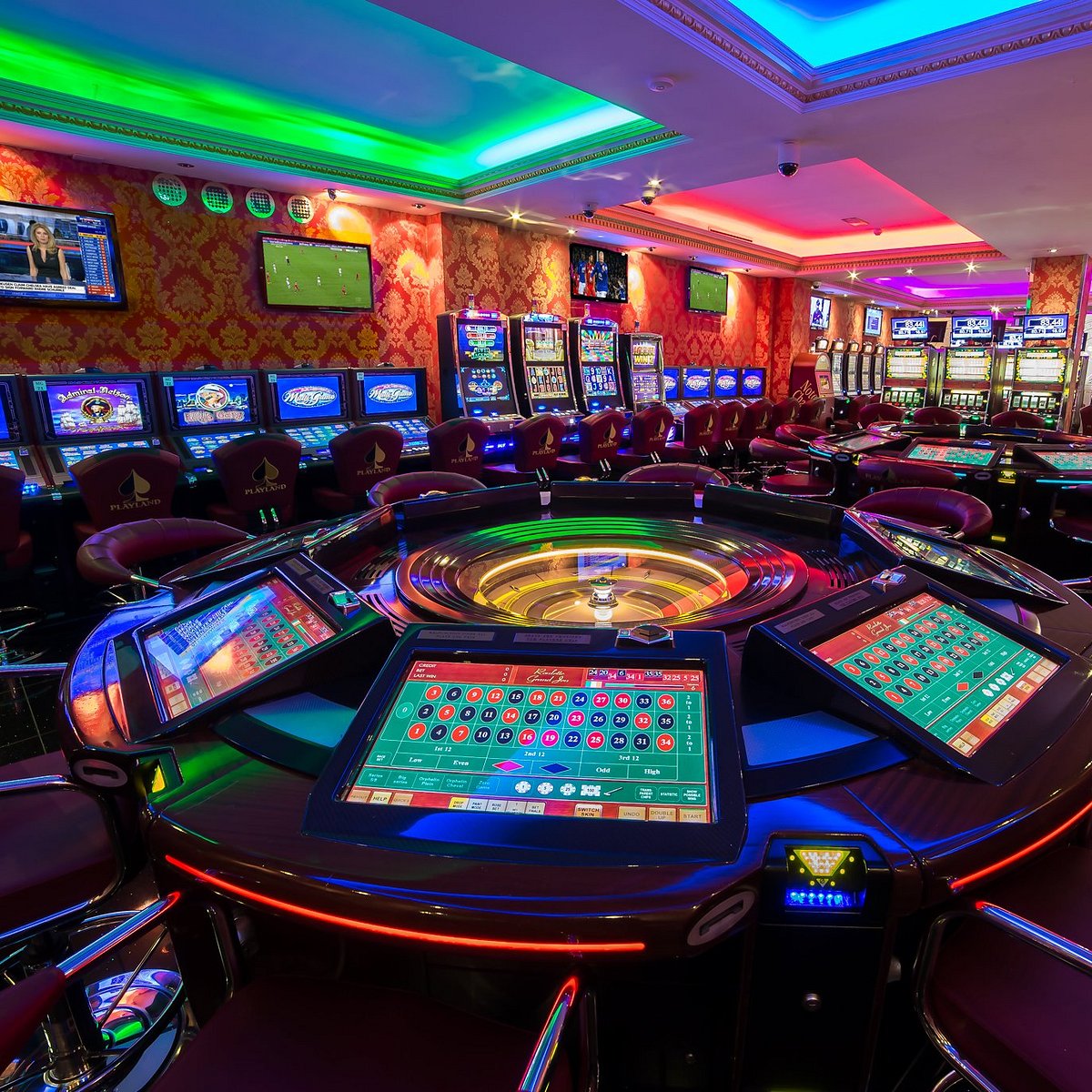
Moreover, the environment in which gambling occurs plays a significant role in player behavior. Bright lights, engaging sounds, and the overall atmosphere of a casino can heighten excitement and create a sensory overload that keeps players engaged for extended periods. This psychological manipulation is strategic, often leading players to lose track of time and money, further entrenching them in the gaming experience.
The impact of social influences
Social factors are another critical aspect of gambling psychology. Players often feel a sense of community and belonging within gambling environments, whether online or offline. Social interactions, whether through chats in online casinos or face-to-face encounters in physical establishments, foster a sense of camaraderie and shared experience. This social reinforcement can encourage continued play and increase spending as players seek validation and enjoyment from their peers.
Additionally, the concept of peer pressure can amplify gambling behavior. Observing others winning can trigger feelings of inadequacy in players, prompting them to gamble more in hopes of achieving similar success. This social comparison can lead to impulsive decisions and a disregard for personal limits, ultimately impacting a player’s financial and emotional well-being.
Understanding online vs. offline gambling
The rise of online casinos like Pin Up Casino has transformed the landscape of gambling, providing a unique set of psychological triggers. Online platforms offer unparalleled convenience, allowing players to engage from the comfort of their homes. This accessibility can lead to increased gambling frequency and a diminished sense of accountability, as players may feel less monitored than in traditional settings.
Furthermore, online casinos employ various gamification techniques to enhance player engagement. Features such as leaderboards, bonuses, and loyalty programs create a sense of competition and achievement. These elements can further stimulate the brain’s reward pathways, encouraging players to return frequently to seek additional rewards and recognition.
The role of risk and reward in decision-making
The inherent uncertainty in gambling—specifically the balance of risk and reward—plays a pivotal role in influencing player behavior. Many players are drawn to the thrill of risk-taking, where the possibility of winning can overshadow the fear of losing. This often leads to irrational decision-making, where individuals chase losses or increase their stakes in hopes of recouping previous expenditures.
Additionally, cognitive biases such as the «gambler’s fallacy» can skew a player’s perception of probability and luck. Players may believe that a losing streak indicates an imminent win or that their chances improve after a series of losses. Such misconceptions can lead to reckless behavior and financial strain, as players fail to recognize the reality of the odds stacked against them.

Pin Up Casino and its influence on player behavior
Pin Up Casino exemplifies how online gambling platforms harness psychological principles to influence player behavior. The user-friendly interface and engaging game design create an immersive experience that captivates players. The platform’s commitment to security and fair play further enhances trust, encouraging longer gaming sessions and increased player loyalty.
Moreover, Pin Up Casino’s integration of social features and gamification elements fosters a community environment that can encourage players to return. By blending entertainment with psychological triggers, the platform effectively influences player behavior, ensuring a dynamic and engaging gaming experience. This delicate balance between enjoyment and the psychological underpinnings of gambling keeps players coming back for more, demonstrating the powerful connection between psychology and gaming.